Buying a home is a significant milestone, and ensuring that your investment is sound requires careful consideration of the property’s condition. A home inspection is a crucial step in the buying process, providing valuable insights into the home’s structure, systems, and potential issues. By understanding what a home inspection entails and knowing what to expect, buyers can make confident and informed decisions.
What Is a Home Inspection?
A home inspection is a professional evaluation of a property's physical condition, typically conducted after an offer has been accepted but before the transaction is finalized. A licensed home inspector examines the property’s major components to identify existing problems and potential risks.
The inspection covers critical areas such as the foundation, roof, plumbing, electrical systems, HVAC, and more. The findings are compiled into a detailed report, giving buyers the information they need to negotiate repairs, request concessions, or proceed with confidence.
Why Is a Home Inspection Important?
While a home may appear flawless on the surface, underlying issues could lead to costly repairs down the line. A thorough inspection ensures you’re not blindsided by hidden problems after closing.
Key Benefits of a Home Inspection:
1. Identifying Structural Issues: Detecting problems with the foundation, roof, or framing can save you from future headaches.
2. Assessing Safety Concerns: Inspectors look for potential hazards, such as faulty wiring, gas leaks, or mold growth.
3. Understanding Maintenance Needs: Learn about necessary repairs, upgrades, and long-term maintenance requirements.
4. Negotiation Leverage: Use the inspection report to negotiate with the seller for repairs or price adjustments.
5. Peace of Mind: A thorough inspection helps you move forward with confidence, knowing the property is a safe and sound investment.
What Does a Home Inspection Cover?
A standard home inspection evaluates the following key areas:
1. Structural Components
The inspector examines the home’s foundation, walls, and framing for cracks, shifts, or other signs of instability. Structural integrity is essential for the property’s safety and longevity.
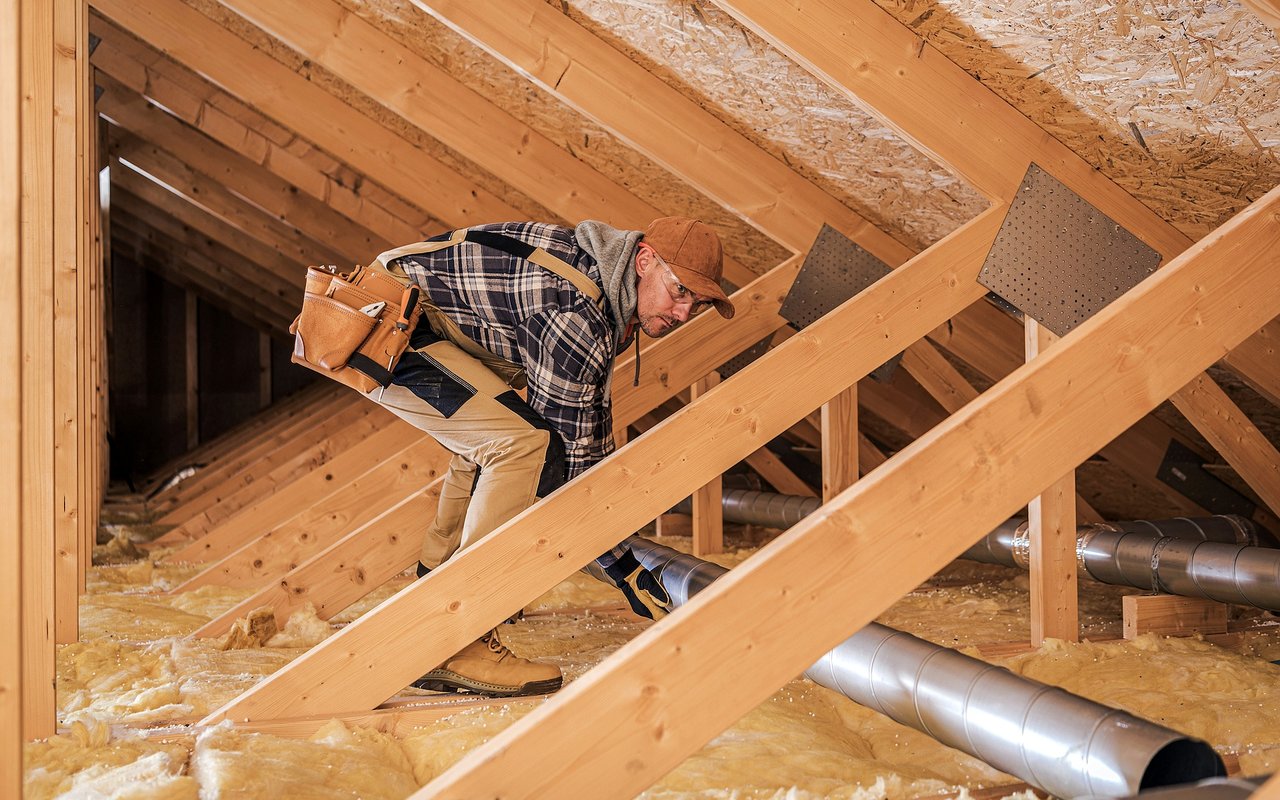
2. Roof and Attic
The roof is inspected for leaks, damaged shingles, and overall condition. In the attic, the inspector checks for proper ventilation, insulation, and signs of water damage or pests.
3. Plumbing System
Plumbing issues can lead to costly repairs, so the inspector evaluates pipes, water heaters, faucets, and drainage systems. They’ll also look for leaks, water pressure issues, and signs of mold.
4. Electrical System
Faulty wiring or outdated systems can pose safety risks. Inspectors check outlets, circuit breakers, light fixtures, and electrical panels to ensure they meet current safety standards.
5. Heating, Ventilation, and Air Conditioning (HVAC)
The HVAC system is assessed for functionality and efficiency. This includes checking the furnace, air conditioning unit, and ductwork.
6. Interior Features
Doors, windows, ceilings, walls, and floors are inspected for damage, drafts, or signs of wear and tear. Inspectors also test locks, latches, and other functional components.
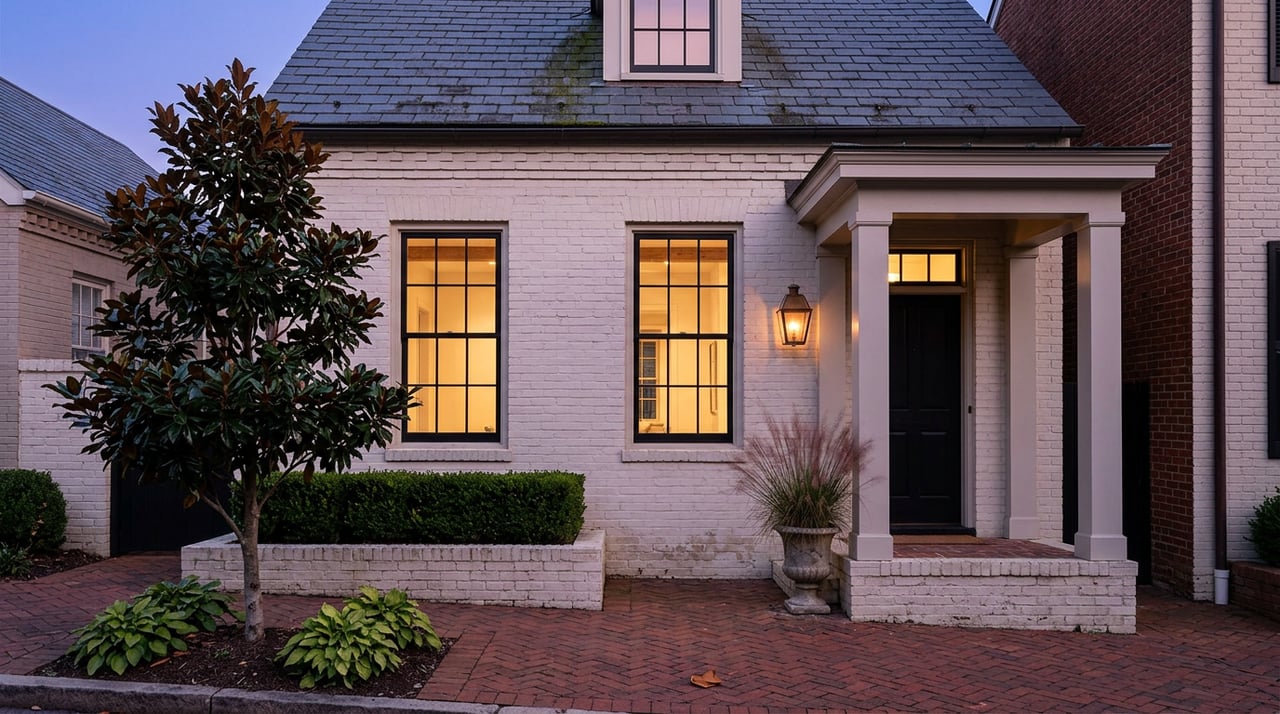
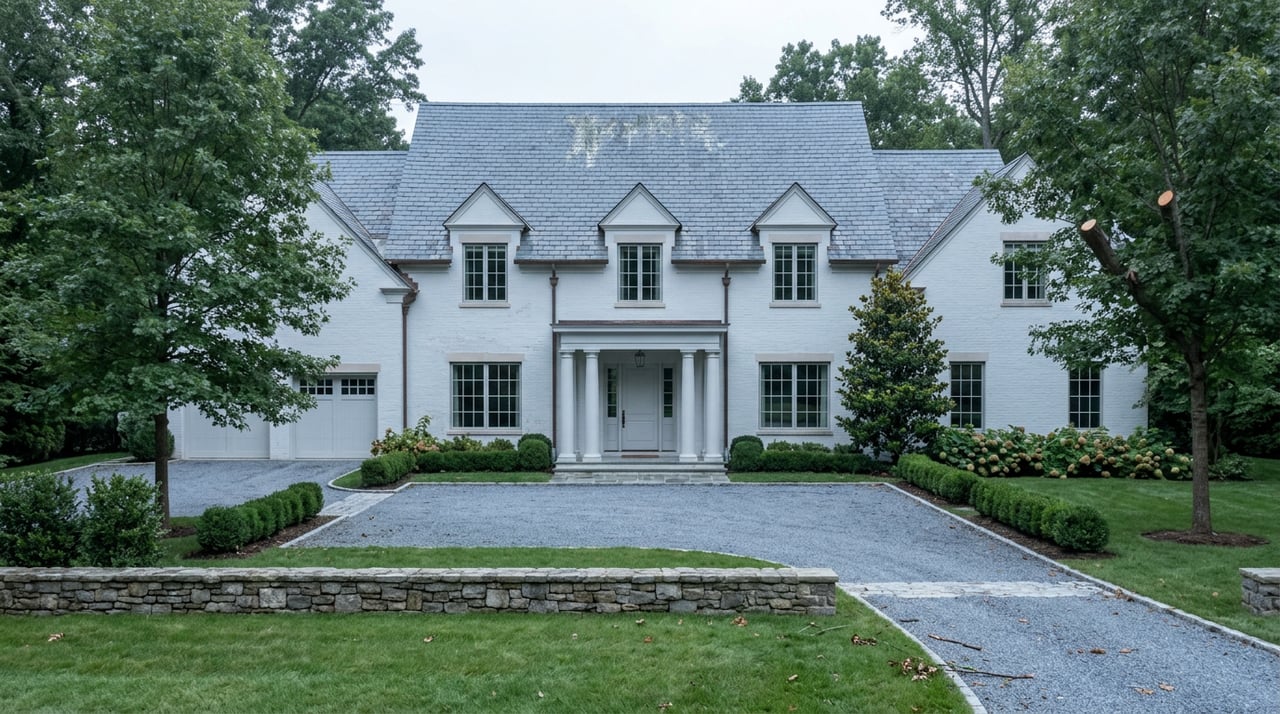
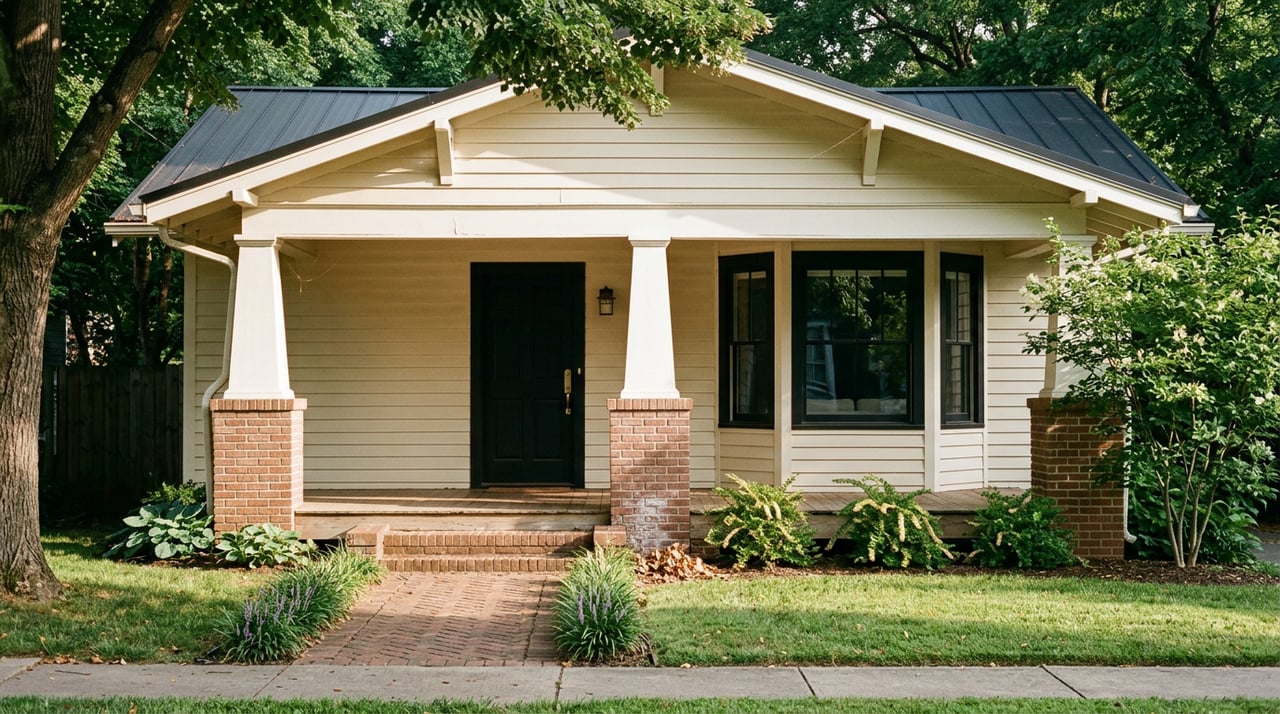
7. Exterior Features
The inspector evaluates siding, gutters, downspouts, and drainage systems. They’ll also examine driveways, walkways, and decks for damage or wear.
8. Appliances
If the home includes built-in appliances, such as dishwashers, ovens, or refrigerators, the inspector may test their functionality and condition.
How to Prepare for a Home Inspection
Being prepared for the inspection process ensures it goes smoothly and that you get the most value from the experience.
Steps to Take Before the Inspection:
1. Hire a Qualified Inspector: Look for licensed, certified professionals with strong reviews and experience in your area.
2. Review the Seller’s Disclosures: Familiarize yourself with the property’s known issues to guide the inspection focus.
3. Be Present During the Inspection: Attend the inspection to ask questions, clarify concerns, and gain firsthand insights into the property’s condition.
4. Take Notes: Bring a checklist of areas you want the inspector to pay special attention to, such as aging systems or specific concerns.
What to Do After the Inspection
Once the inspection is complete, you’ll receive a detailed report outlining the findings. This report is your roadmap for the next steps.
1. Review the Report Carefully
Examine the report for major issues, potential risks, and maintenance needs. Focus on health, safety, and structural concerns rather than minor cosmetic issues.
2. Negotiate Repairs or Credits
If significant problems are uncovered, work with your real estate agent to request repairs or negotiate a credit toward closing costs. In competitive markets, you may prioritize asking for credits over requesting repairs.
3. Decide How to Proceed
Use the inspection report to make an informed decision about moving forward. In some cases, you may decide to renegotiate the purchase price or, if the issues are severe, walk away from the deal.
The Cost of a Home Inspection
Home inspection fees vary based on factors like the property’s size, location, and age. On average, inspections cost between $300 and $500, but more extensive properties or additional tests may increase the price.
Although it’s an added expense, a home inspection is a worthwhile investment in your peace of mind and financial security.
A home inspection is a critical step in the home-buying process, offering valuable insights into a property’s condition and helping buyers make informed decisions. By understanding what to expect, knowing how to prepare, and leveraging the inspection report effectively, you can navigate this phase with confidence. Whether it confirms that your dream home is move-in ready or uncovers issues that need addressing, a thorough inspection ensures your investment is sound and your future home is safe.
Ready to find your dream luxury home in Nashville?
Beth Molteni is your trusted real estate agent, specializing in the luxury market. With her extensive knowledge of the local area and commitment to exceptional service, Beth is dedicated to helping you find the perfect property that meets your unique needs and lifestyle. Contact Beth Molteni today to start your journey toward owning a luxury home in Nashville!