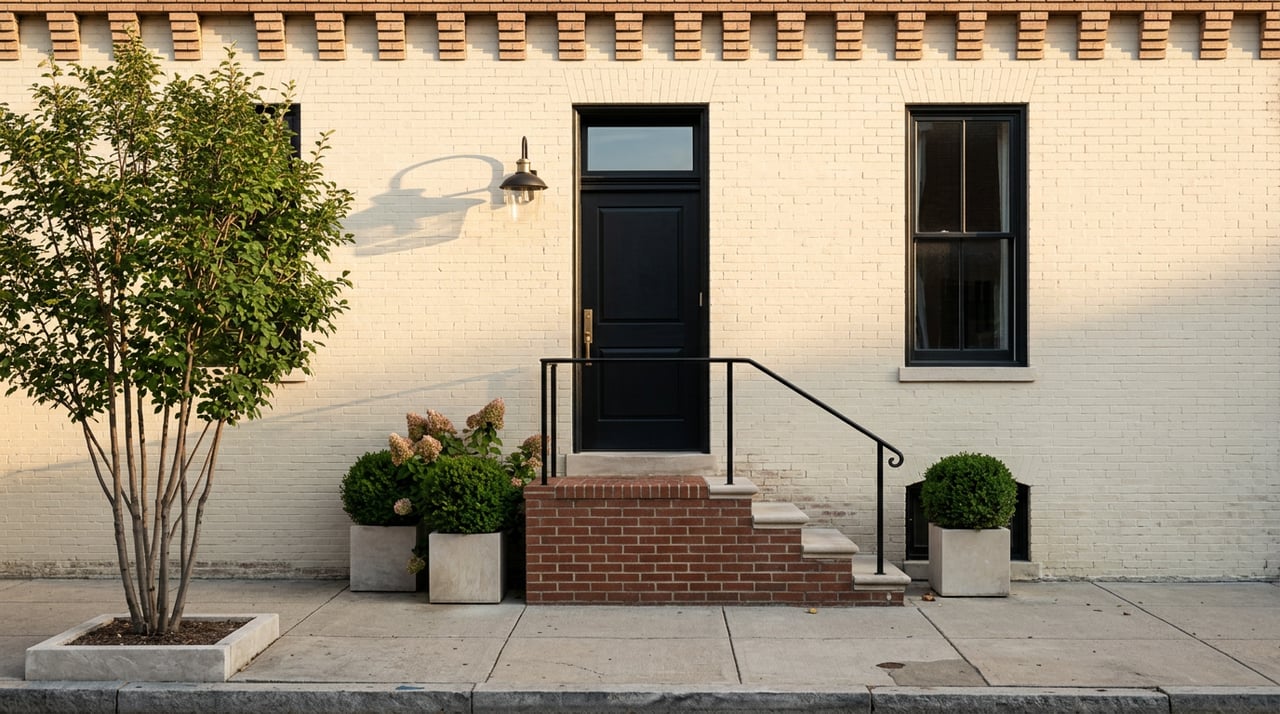
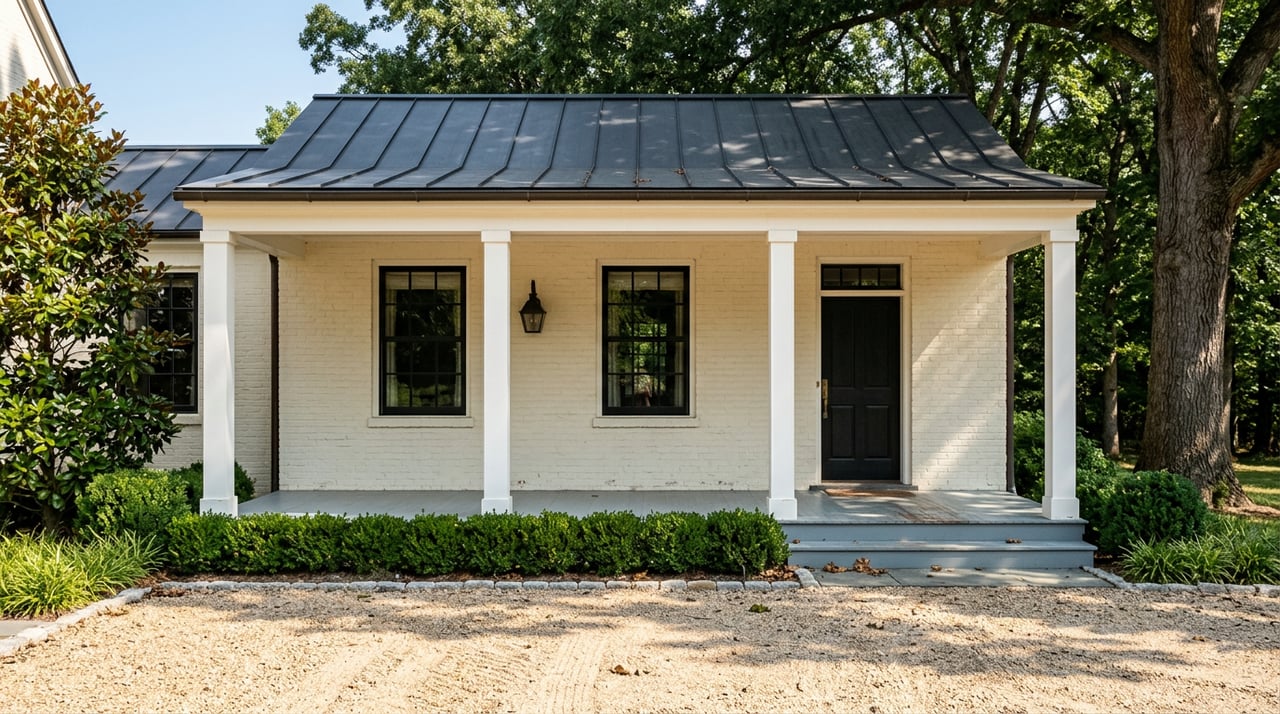
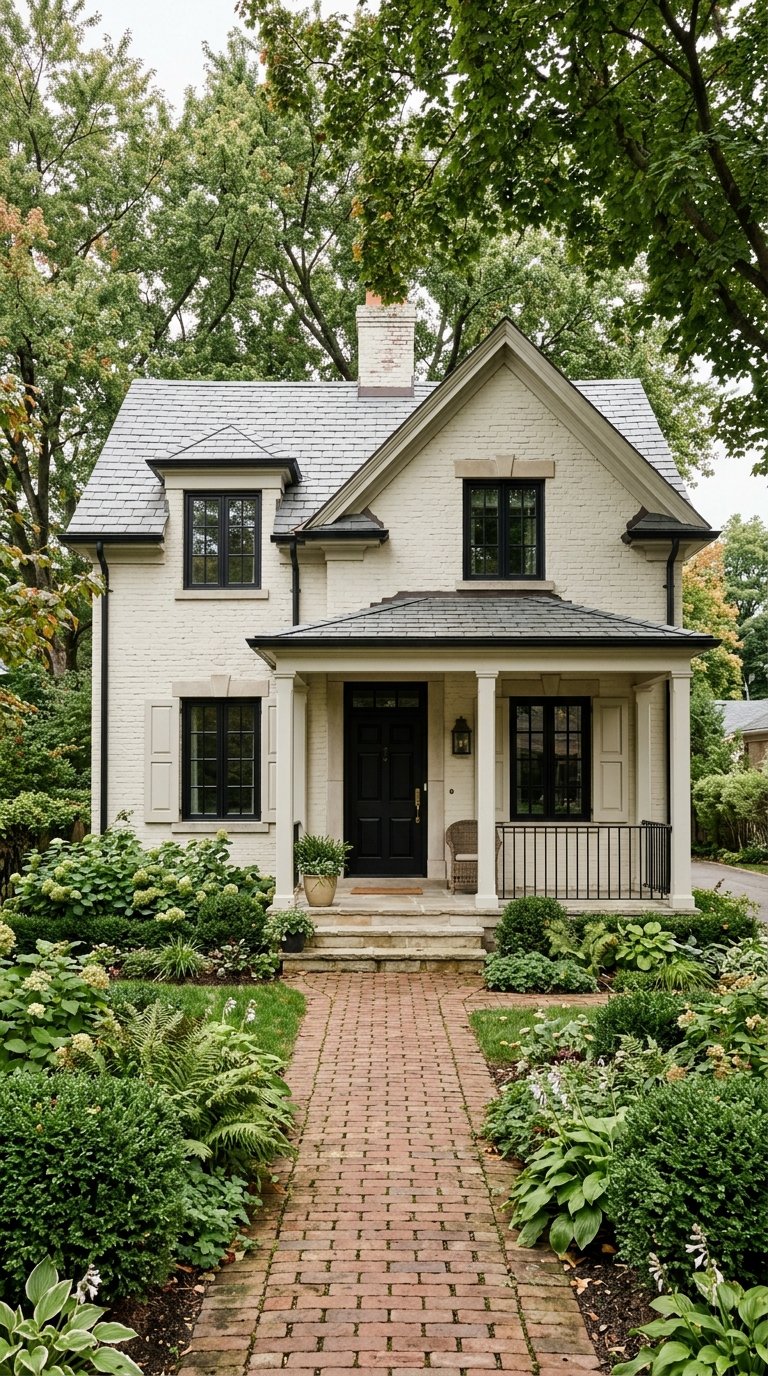
Flipping houses in Forest Hills can be a lucrative investment if you approach it with the right strategy. This process involves buying properties at a lower price, renovating them to increase their value, and then selling them at a profit. However, success in house flipping requires more than just purchasing a property and making updates. You need to understand the local market, analyze costs carefully, and make strategic renovation choices to maximize your returns. Read on to learn more.
Why Forest Hills Is a Great Place to Flip Houses
Forest Hills offers a mix of historic charm and modern appeal, making it a prime location for homebuyers. Buyers who are looking for move-in-ready properties are willing to pay a premium, which creates an excellent opportunity for house flippers.
The real estate market here tends to favor well-renovated homes with high-end finishes. If you can transform an outdated property into a stylish, functional space, you’ll likely see strong returns. Understanding buyer preferences in this area is crucial to making the right renovation choices.
Finding the Right Property to Flip
Choosing the right property is the most important step in the flipping process. Not every house will make a profitable flip, so you need to carefully evaluate potential properties before making a purchase. The goal is to find a home priced below market value that can be renovated and sold for a significant profit.
Ideal flip candidates often include homes that require mostly cosmetic updates, such as new flooring, kitchen and bathroom upgrades, and fresh paint. Properties with outdated designs but solid structures are often the best choices because they require less expensive repairs than homes with foundational or structural issues.
Look for homes in desirable areas where comparable properties are selling for significantly higher prices after renovation. A good way to find potential deals is by researching foreclosures, estate sales, and distressed properties. These often come at a discount, allowing more room for profit.
Analyzing the Numbers Before You Buy
Flipping is all about the numbers, and miscalculating costs can quickly eat into your profits. Before making an offer on a property, you need to conduct a thorough financial analysis to ensure the deal will be profitable.
Start by determining the After Repair Value (ARV) — the estimated selling price after renovations. Research recent sales of similar, updated homes in the area to get an accurate estimate. Next, factor in all the costs associated with the flip, including:
-
Purchase price – The cost of acquiring the property
-
Renovation budget – The cost of materials, labor, and permits
-
Holding costs – Expenses incurred while owning the property, such as mortgage payments, utilities, property taxes, and insurance
-
Selling costs – Real estate agent commissions, closing costs, and staging expenses
A common rule of thumb in house flipping is the 70% rule, which suggests that you should pay no more than 70% of the ARV minus repair costs. This helps ensure there’s enough room for profit after all expenses.
Financing Your Flip
Unless you have enough cash on hand, you’ll need to secure financing to purchase and renovate the property. House flipping requires short-term financing solutions that allow you to act quickly and cover renovation costs without long delays.
Some common financing options include:
-
Hard money loans – These short-term loans have higher interest rates but offer fast approval, making them a great choice if you need quick funding.
-
Traditional mortgages – Conventional loans have lower interest rates, but they can be harder to qualify for, especially if the property needs major repairs.
-
Private lenders – Investors or individuals are sometimes willing to finance a house flip in exchange for a return on investment. This can be a flexible and efficient option if you have a strong business plan.
-
Home equity loans or lines of credit – If you own property with equity, you can use it to finance your flip.
Whichever financing method you choose, it’s essential to have a clear plan for repayment. Since house flipping is a short-term investment, carrying debt for too long can cut into your profits.
Creating a Renovation Plan That Adds Value
Renovations should be strategic and focused on what buyers want to see in a living space. The goal is to make the home appealing without overspending on unnecessary upgrades.
Key areas that add value include:
-
Kitchen upgrades – Buyers expect modern kitchens with updated cabinetry, quality countertops, and stylish finishes.
-
Bathroom remodels – Updated bathrooms with new vanities, tiles, and fixtures significantly increase a home’s appeal.
-
Open-concept layouts – Many buyers prefer open floor plans. Removing non-load-bearing walls can make the home feel more spacious.
-
Curb appeal – A fresh coat of paint, landscaping, and a well-maintained entryway can make a great first impression.
Be mindful of the market. The key is making smart renovations that provide the best return on investment.
Hiring the Right Contractors
A highly skilled renovation team is crucial for completing the flip on time and within budget. When hiring contractors:
-
Get multiple quotes to compare pricing
-
Check references and previous work
-
Verify licensing and insurance
-
Have a clear contract outlining costs, deadlines, and expectations
Working with experienced professionals ensures top-quality work and helps you avoid costly mistakes and setbacks. If you plan to manage the renovations yourself, be prepared to coordinate schedules, order materials, and handle unexpected challenges.
Managing the Flip Timeline
Time is money in house flipping, as every month you hold onto the property, you incur additional costs. Keeping the project on schedule requires careful planning and proactive management.
To stay on track:
-
Set firm deadlines for each phase of the project
-
Maintain regular communication with contractors
-
Obtain necessary permits early to prevent delays
-
Address unexpected issues quickly
Most successful flips are completed within three to six months from purchase to sale. The faster you can complete renovations and list the property, the sooner you can realize your profit.
In the end, flipping houses can be a profitable venture if done correctly. It requires patience, financial discipline, and vast market knowledge. If you’re willing to put in the work and make informed decisions, Forest Hills real estate offers great opportunities for successful flips.
For trusted guidance, reach out to Beth Molteni if you’re ready to get started and find the right home in Forest Hills.