Hillsboro Village Homes And Lifestyle Guide
July 2, 2026
July 2, 2026
Looking for a Nashville neighborhood that feels central, historic, and easy to enjoy on foot? Hillsboro Village stands out for its compact layout, older homes, local dining, and arts-driven personality. If you are weighing whether this area fits your lifestyle and budget, this guide will help you understand the homes, the atmosphere, and what daily life really looks like here. Let’s dive in.
Hillsboro Village is best known as a historic commercial corridor surrounded by older residential streets in central Nashville. The area began to emerge as a neighborhood commercial center in the 1920s, and many of its defining buildings date to before World War II.
You can feel that history in the streetscape. The neighborhood blends historic buildings, bungalows, shops, cafes, restaurants, and green space in a setting near both Vanderbilt and Belmont. It is a compact area that tends to appeal to buyers who value character and convenience over sheer square footage.
Another important part of the neighborhood is its design framework. Metro Nashville regulates the district through an Urban Design Overlay, which sets standards for development and renovations. For you as a buyer or owner, that can mean a more consistent look and a stronger sense of place over time.
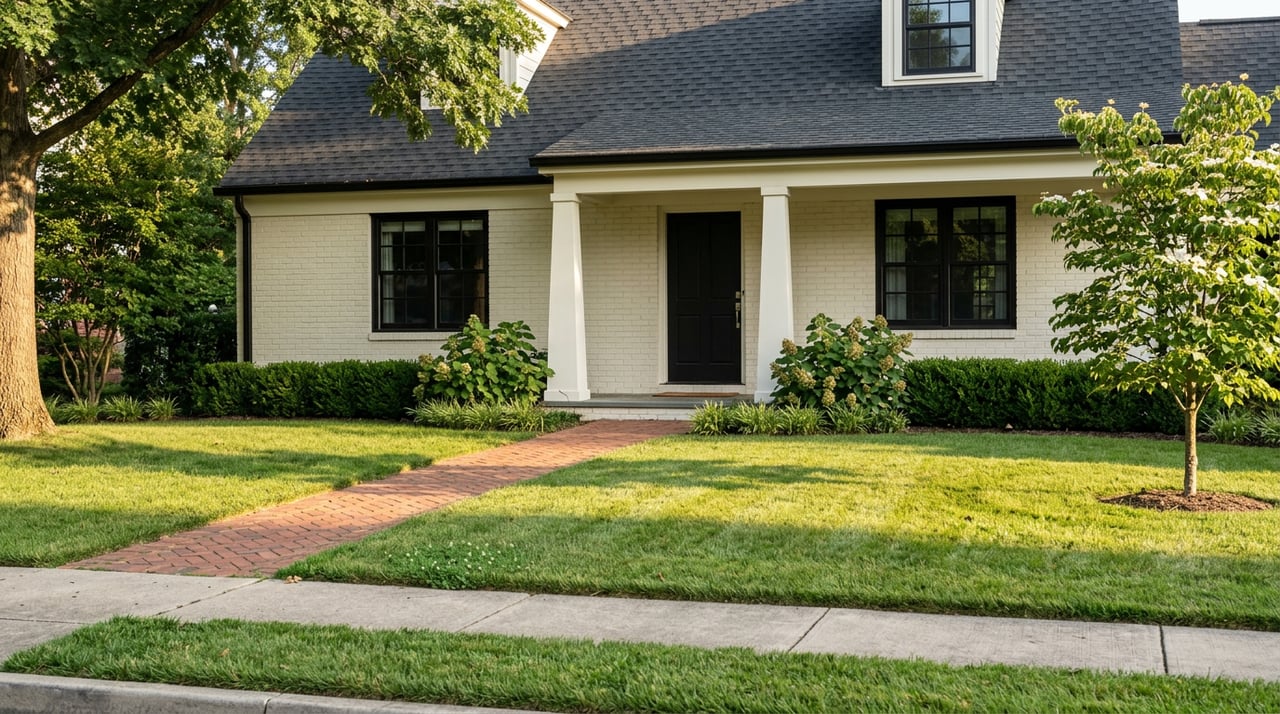
Hillsboro Village offers a housing mix that reflects its older fabric and central location. You will find a combination of historic detached homes, duplexes, condos, townhomes, and some newer infill or custom construction.
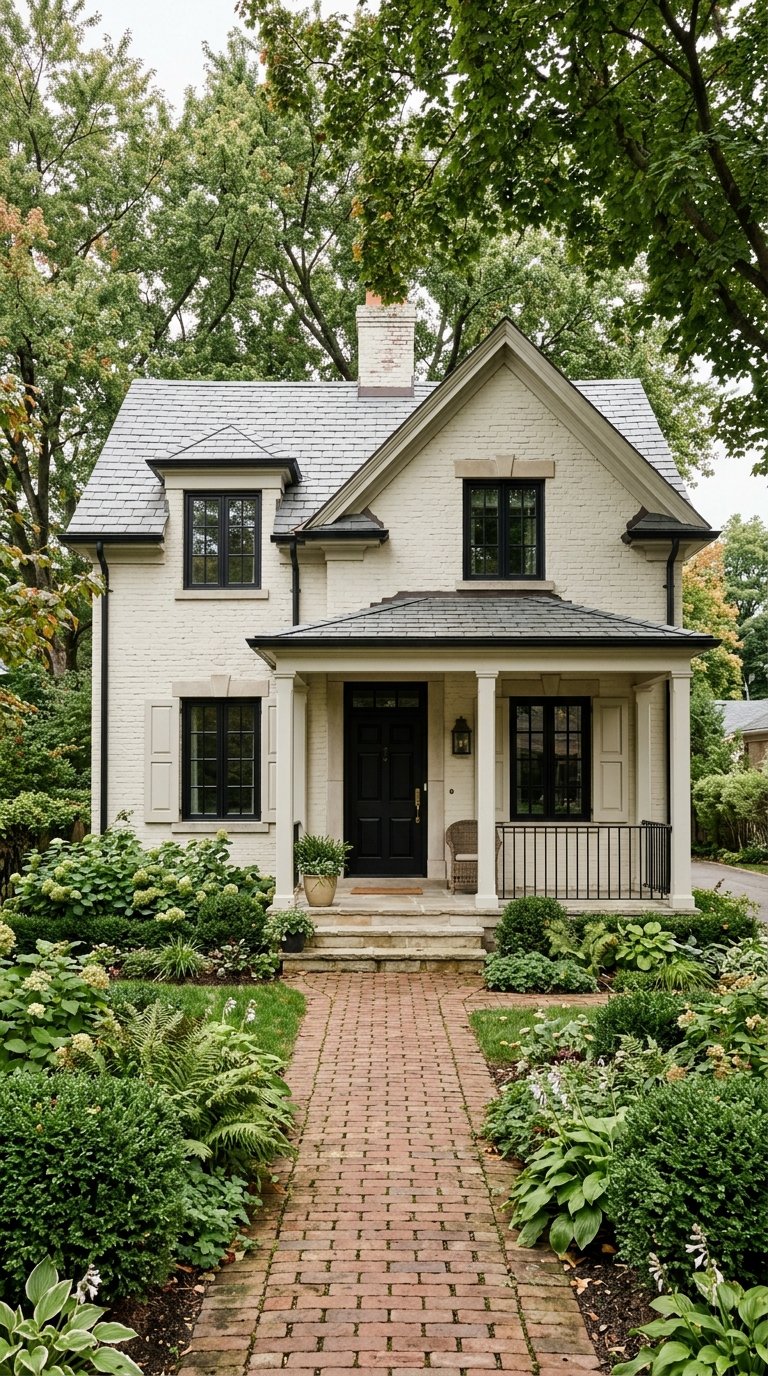
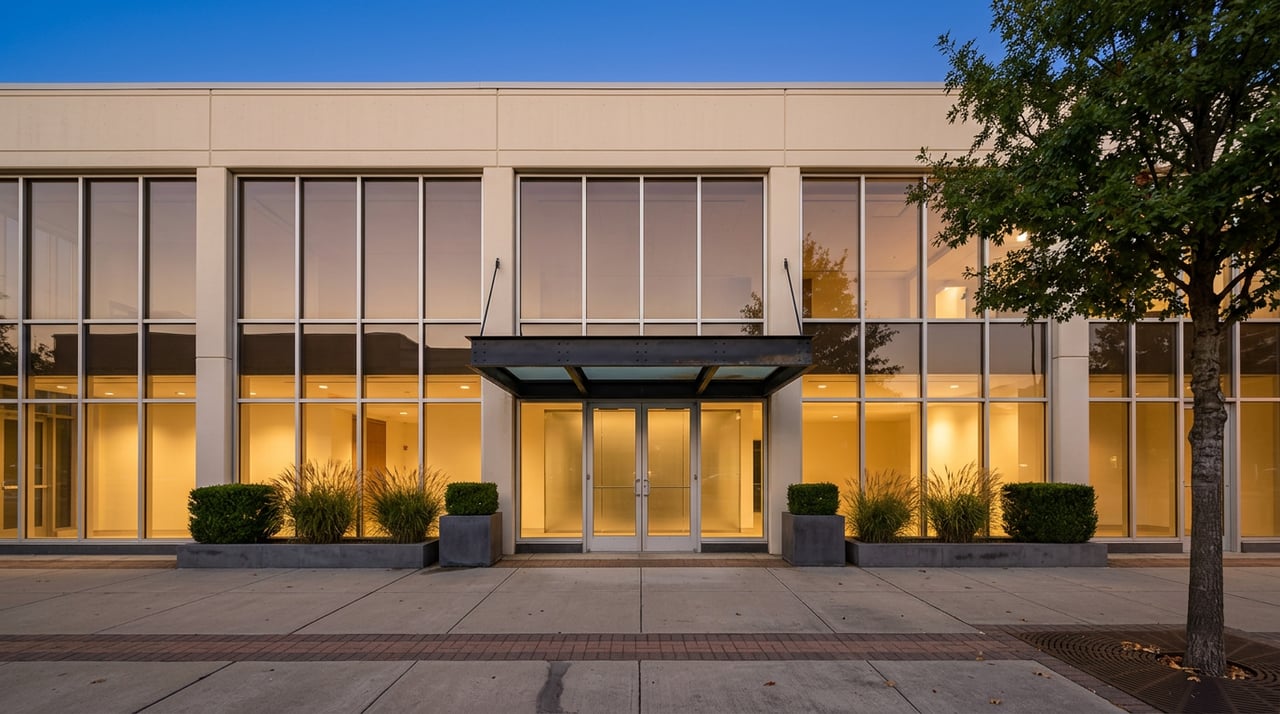
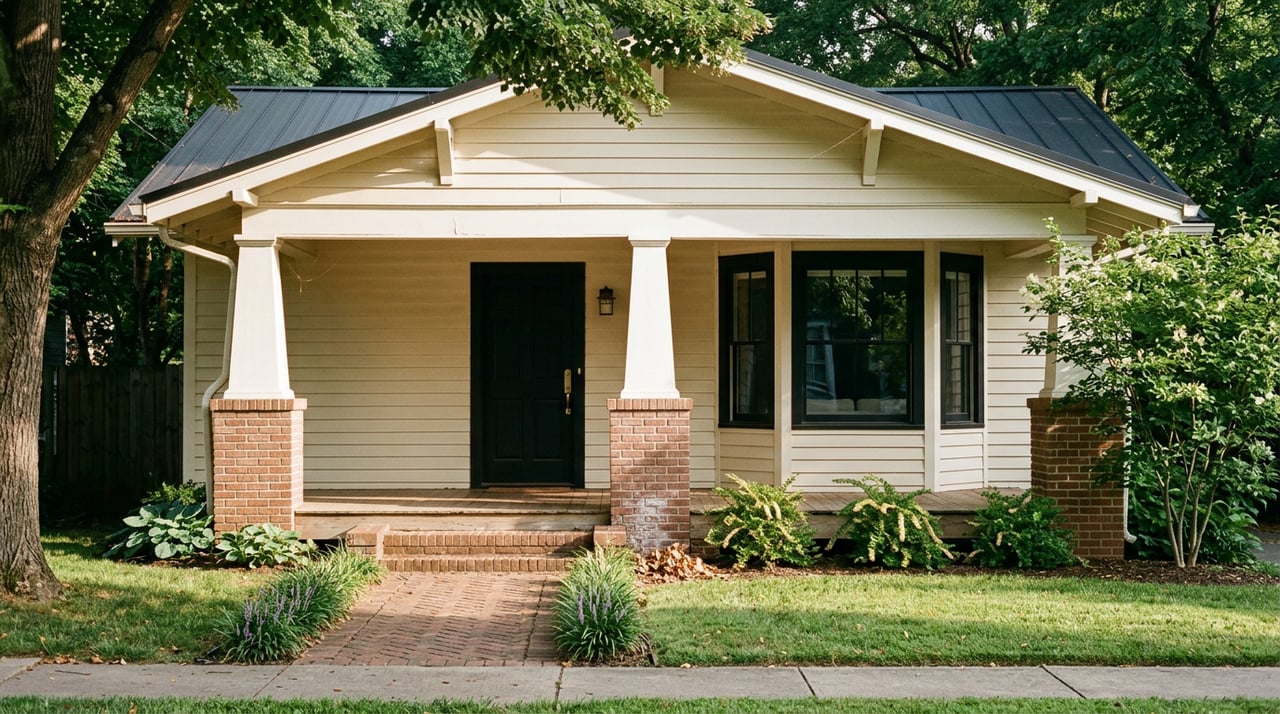
The residential character is shaped in part by the area’s design guidelines. Metro Nashville specifically calls out home types such as American Foursquares and bungalows, with features like pitched roofs, porches, brick, and wood. In the commercial core, buildings are more likely to have flat roofs with parapets, which helps preserve the neighborhood’s traditional main-street feel.
If you are drawn to architecture, this is one of the area’s strongest selling points. Listing examples in the neighborhood include 1920s and 1940s bungalows, Tudor-style homes, renovated condos, and updated townhomes. Rather than a uniform subdivision pattern, you get a more varied and layered housing stock.
In Hillsboro Village, you are most likely to encounter:
That mix gives buyers a wider range of options than you might expect in a compact neighborhood. It also means your search can look very different depending on whether you want a classic detached home or a lower-maintenance condo or townhouse.
Price points in Hillsboro Village vary quite a bit, but the neighborhood generally sits above Nashville’s citywide median. Redfin reported a Nashville median sale price of $475,000 over the three months ending in April 2026, while current Hillsboro Village listings show a noticeably higher range.
For attached homes and condos, current listing examples run from roughly the low $300,000s to the low $500,000s. Examples include units at The Enclave at Hillsboro Village, a renovated condo listed at $442,800, another condo at $450,000, and a townhouse at $533,400.
Detached homes start higher. Smaller historic homes and updated bungalows are showing from about $625,000 to $937,802, while larger or newer properties extend to roughly $1.49 million, $1.59 million, $1.75 million, and up to $2.375 million.
| Home type | Approximate range |
|---|---|
| Condos and attached homes | Low $300Ks to low $500Ks |
| Smaller detached homes | About $625K to $937K |
| Larger or newer detached homes | About $1.49M to $2.375M |
For many buyers, the key takeaway is simple. In Hillsboro Village, you are often paying for location, walkability, architectural character, and access to local amenities as much as for size.
Hillsboro Village is less about large shopping centers and more about a close-knit cluster of local destinations. The neighborhood is known for its walkable mix of restaurants, cafes, shops, bookstores, and cultural landmarks.
This is the kind of place where daily routines can feel more connected. You may be able to walk to coffee, dinner, a movie, or a park without planning your whole day around driving. That pattern is a big part of the neighborhood’s appeal.
A few long-standing businesses help define the area’s identity. The Pancake Pantry on 21st Avenue South has been serving since 1961 and is widely seen as part of Nashville culture. Fido, another neighborhood staple, opened in 1996 as an all-day coffee-and-dining café.
Other recognizable stops include Double Dogs and Jeni’s scoop shop, both also on 21st Avenue South. Together, these places help give Hillsboro Village a local, established feel rather than a generic retail experience.
The Belcourt Theatre is one of the area’s signature institutions. It opened in 1925 as the Hillsboro Theatre and now operates as a nonprofit art house that attracts about 190,000 visitors annually and programs more than 300 films per year.
For outdoor space, Fannie Mae Dees Park, often called Dragon Park, adds another recognizable neighborhood feature. Located at 2400 Blakemore Avenue, the park was created in 1978 and remains a familiar local gathering spot.
These amenities matter because they shape everyday life. Hillsboro Village offers more than homes. It offers a built-in mix of dining, culture, and green space that supports an in-town lifestyle.
If you move to Hillsboro Village, your experience will likely be shaped by proximity and rhythm. The neighborhood’s compact commercial core and nearby residential streets create a setting where errands, meals, and leisure can feel close at hand.
You are also near Vanderbilt and Belmont, which helps reinforce the area’s central location. That makes Hillsboro Village especially appealing if you want an intown address with established character and easy access to major Nashville destinations.
Parking is part of the practical picture here. The Belcourt Theatre offers a free lot for patrons, but the area also includes metered street parking and nearby paid lots. In a neighborhood this central and active, that is worth keeping in mind when you think about guests, outings, and daily convenience.
Hillsboro Village tends to work best for buyers who want a walkable, in-town routine. It is especially well suited to people who value historic streets, architectural variety, local businesses, and easy access to dining and culture.
It can also be a strong fit if you prefer a smaller historic home, condo, townhouse, or infill property over a large-lot suburban layout. The neighborhood’s appeal is rooted in place, personality, and centrality.
On the other hand, your priorities may point elsewhere if you want a more detached suburban feel or significantly larger lots. Hillsboro Village generally sells lifestyle and location more than size. Knowing that upfront can help you make a smarter, more confident decision.
Because Hillsboro Village includes everything from older bungalows to condos and newer infill homes, it helps to have guidance that matches the neighborhood’s range. Pricing, condition, renovation quality, and location within the district can all shape value in meaningful ways.
This is also a neighborhood where design standards and architectural context matter. If you are buying or selling here, a thoughtful, highly local approach can help you weigh not just price, but also long-term fit and market positioning.
If you are considering a move to Hillsboro Village or preparing to sell in this part of Nashville, working with an experienced local advisor can make the process more informed and more personal. To explore your options with a polished, neighborhood-specific strategy, connect with Beth Molteni.
Stay up to date on the latest real estate trends.
Etiam non quam lacus suspendisse faucibus interdum. Orci ac auctor augue mauris augue neque. Bibendum at varius vel pharetra. Viverra orci sagittis eu volutpat.
Beth Molteni
3825 Bedford Ave Ste 102 Nashville TN 37215