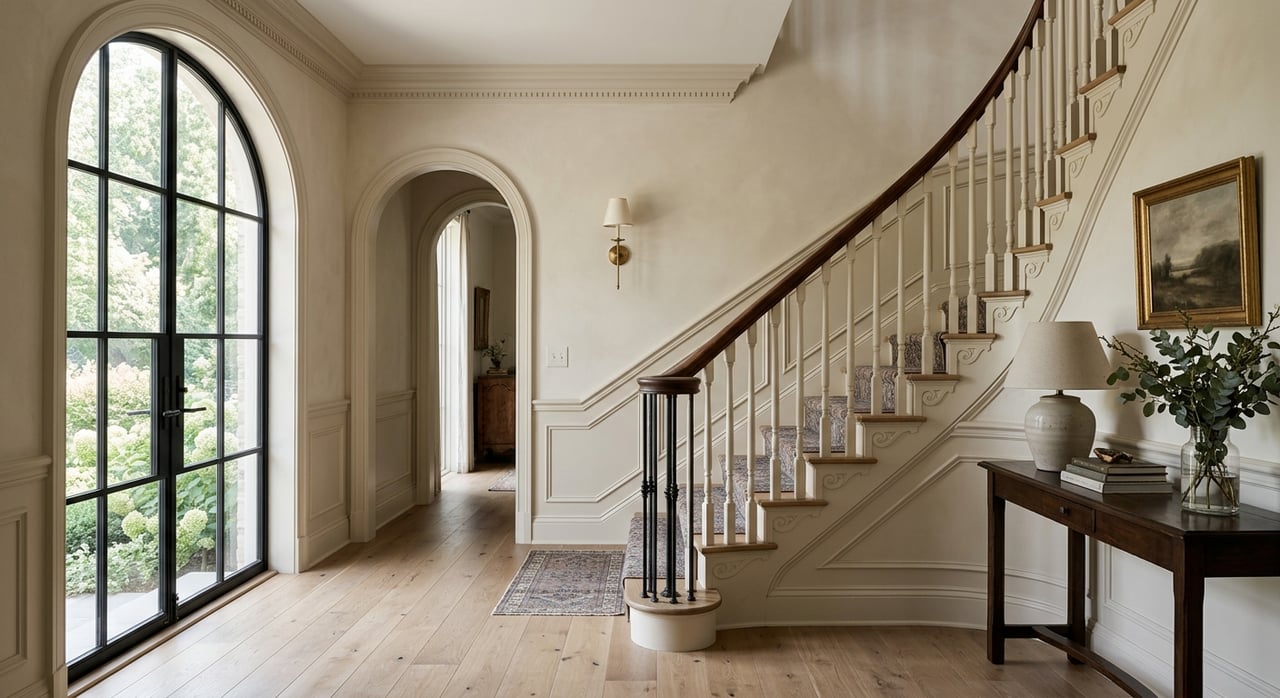
Preparing A Historic Belle Meade Home For Market
June 18, 2026
June 18, 2026
If you are getting ready to sell a historic home in Belle Meade, the usual pre-listing checklist is not enough. In a market where architecture, craftsmanship, and provenance can shape buyer interest, the wrong repair or rushed cosmetic update can work against your goals. The good news is that with the right preparation, you can protect the home’s character, avoid unnecessary missteps, and present it with confidence. Let’s dive in.
Belle Meade’s housing stock includes many homes built between 1910 and 1930, with styles such as Neo-classical, Colonial Revival, Georgian Revival, and Tudor Revival. The city’s historic overlay ordinance and Historic Zoning Commission were created to preserve architectural character, support civic beauty, and help stabilize property values. That means sellers need to think beyond appearance alone and plan with preservation in mind.
Not every older home is reviewed the same way. Belle Meade generally considers pre-1939 homes with strong historic or architectural value as properties of significance, while many post-1939 homes may be treated as worthy of conservation if they still reinforce the city’s character. In either case, it is wise to understand how your property is classified before making pre-market decisions.
Before any exterior work begins, confirm whether a Certificate of Appropriateness is required. In Belle Meade’s citywide conservation overlay, a CoA is required for new construction, exterior alterations, additions, demolition that reduces footprint or gross floor area, and relocation of an existing residence. Interior work that does not alter the exterior is exempt, but the city still advises owners to contact the Planning Director before starting any building project, including interior renovations.
This step matters because a CoA is separate from a standard building permit. Belle Meade uses two review paths, with more complex work going to the Historic Zoning Commission and many smaller actions reviewed by Building and Zoning staff if they align with the design guidelines. According to the city, complete administrative applications generally receive a permit within about one week.
Historic-home preparation in Belle Meade is document-heavy, and that can work in your favor when it is handled early. The city points owners to historic resources such as its historic homes map and survey materials, which can help verify age, style, and notable features. For a seller, a strong paper trail makes it easier to market the property accurately and avoid vague claims that may not hold up.
If your pre-listing work involves larger changes, the city may require detailed materials such as site plans, elevations, floor plans, property photos, neighboring property photos, inspirational images, and a materials board. Site plans must also show trees that are 4 inches or larger in caliper. If any tree removal is involved, Belle Meade requires a tree removal permit before the tree is taken down.
When you prepare a historic Belle Meade home for market, the goal is not to make it look new. The goal is to highlight what makes it valuable and distinctive while addressing condition issues in a careful, defensible way. Belle Meade’s guidelines follow the Secretary of the Interior’s Standards for Rehabilitation, which means historic character should be retained and deteriorated historic materials should be repaired rather than replaced whenever possible.
If replacement is necessary, the new work should match the original in design, color, texture, and, where possible, materials. That approach helps preserve authenticity, which is often one of the biggest draws for buyers considering an older Belle Meade property. It also helps keep pre-listing improvements aligned with the city’s preservation standards.
Quick updates can be tempting when you are on a listing timeline, but they can create problems in a historic setting. Belle Meade’s guidelines discourage changes that damage historic building fabric, and the city is clear about the importance of compatibility in scale, materials, and detailing. In practical terms, this means you should pause before replacing older components simply for convenience.
Windows are a good example. Preservation guidance says repair should be the first option, and replacement decisions should be supported by quality photographs and other evidence. That is especially important if original windows remain, since their proportions, materials, and detailing may contribute significantly to the home’s character.
Some common “modernization” shortcuts can undercut both character and market appeal. Belle Meade’s guidelines disallow vinyl and aluminum siding or frames, thin veneer brick or stone, synthetic stone, and EFIS on additions and new construction. The city instead prefers traditional materials such as wood, cementitious siding, solid brick or stone veneer, true stucco over masonry, and historically compatible roofing profiles.
For sellers, the takeaway is simple: avoid cosmetic updates that make the exterior look less authentic. Buyers shopping in Belle Meade often respond to craftsmanship and architectural integrity, so preserving those qualities usually serves the sale better than covering them up.
Porches, entries, and rear elevations often carry more value than sellers realize. Belle Meade says front porch or entry enclosures are not appropriate, and rear or side additions should remain secondary in scale and compatible with the original structure. If your home has a porch, garden-facing elevation, or side wing with historic detailing, those features should be treated as assets, not afterthoughts.
If structural work, demolition, or relocation is even part of the conversation, Belle Meade explicitly recommends using experienced licensed professionals with historic-property expertise. Bringing in preservation-minded specialists early can help you avoid generic solutions that create review issues or weaken the home’s presentation.
Selling a historic luxury property often involves more moving parts than a standard listing. In Belle Meade, that may include zoning review, design review, permit timing, documentation, repair scope, and presentation strategy. The city notes that the Planning Director or Building Official can help homeowners and architects with zoning compliance related to floor area, setbacks, height, and parking.
It is also worth watching your timing if work will stretch into mid-2026. Belle Meade has announced it will begin using the 2024 ICC International Residential Code on July 1, 2026. If you are planning repairs or permit work around that date, timelines and requirements may deserve extra attention.
Historic marketing works best when it is precise. Belle Meade asks applicants to define architectural style with supporting documentation, and preservation guidance notes that a full understanding of a historic property may require research into style, construction, original builder, later owners, and changes over time. That means your listing story should be specific, supported, and restrained.
Instead of broad claims, use verified information. If the home’s style, era, renovations, or notable features can be documented, those details can strengthen buyer confidence. If a feature is believed to be original but not confirmed, it is better to describe it carefully than overstate it.
Before the property goes live, assemble a file that supports both marketing and disclosure. Helpful items may include historic surveys, permit records, plans, photos of past work, invoices, material specifications, and dated images showing original or prior conditions. This kind of organization can make conversations with buyers more efficient and more credible.
Belle Meade’s process already emphasizes photos and supporting evidence, and that mindset carries into a strong listing launch. The more clearly you can document age, alterations, and major repairs, the easier it is to tell the home’s story without stretching beyond the facts.
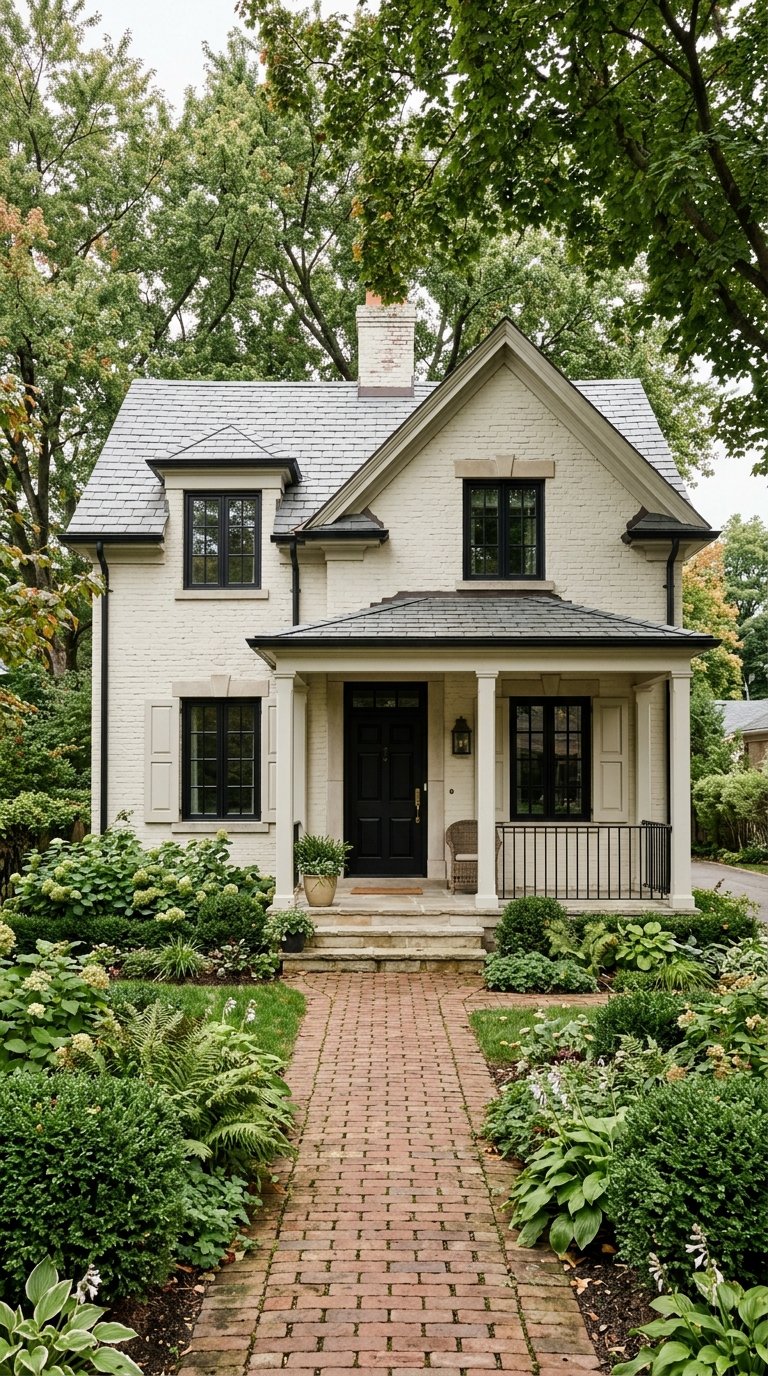
When buyers walk through a historic home, they are often responding to proportion, craftsmanship, and atmosphere as much as square footage. Preservation guidance defines character through features such as shape, rooflines, porches, window and door openings, materials, decorative details, interior spaces, and the relationship between the house and its site. Your staging should help those features stand out.
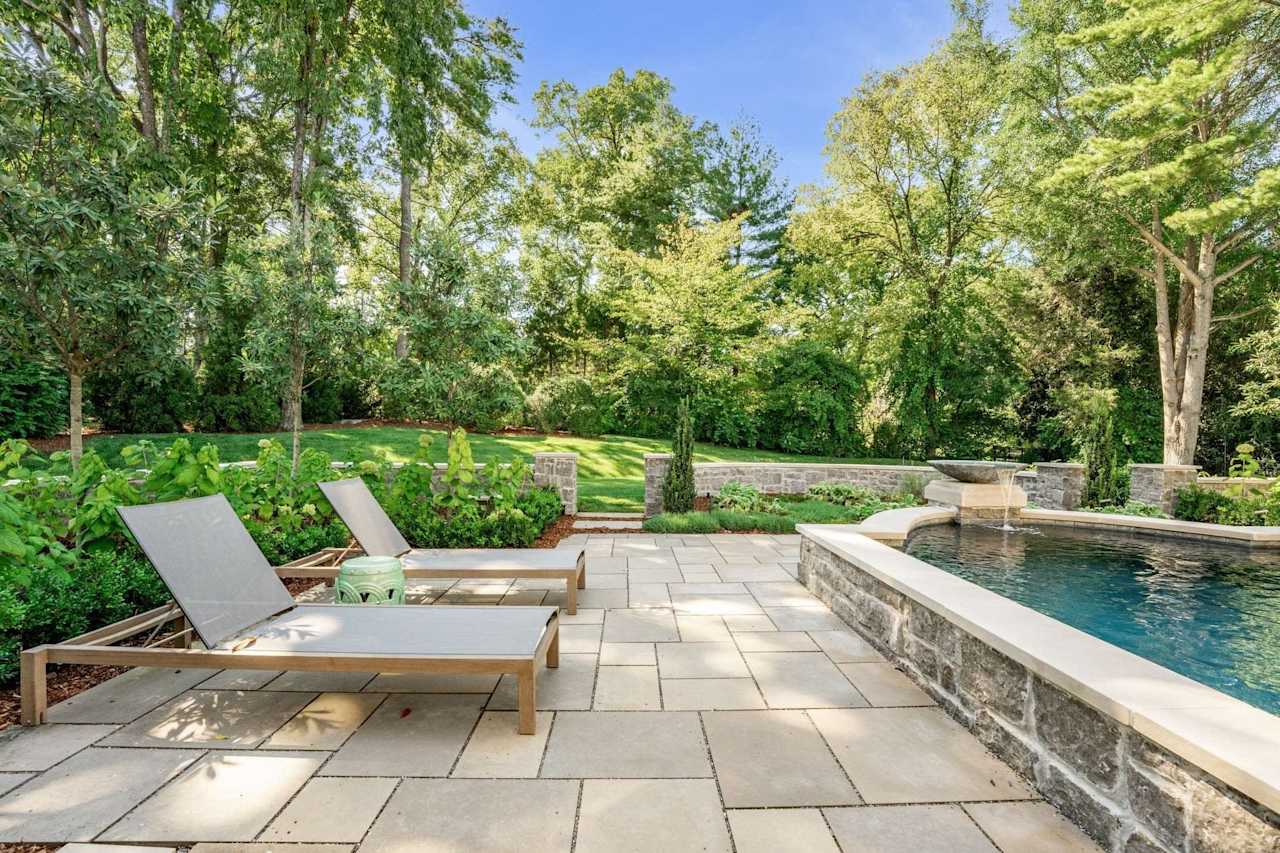
That usually means a lighter touch. Oversized furniture, heavy contemporary styling, or pieces that block millwork, fireplaces, staircases, or original windows can make it harder for buyers to appreciate the home itself. In a property with mature landscaping or important rear and side elevations, exterior presentation deserves just as much care as the front façade.
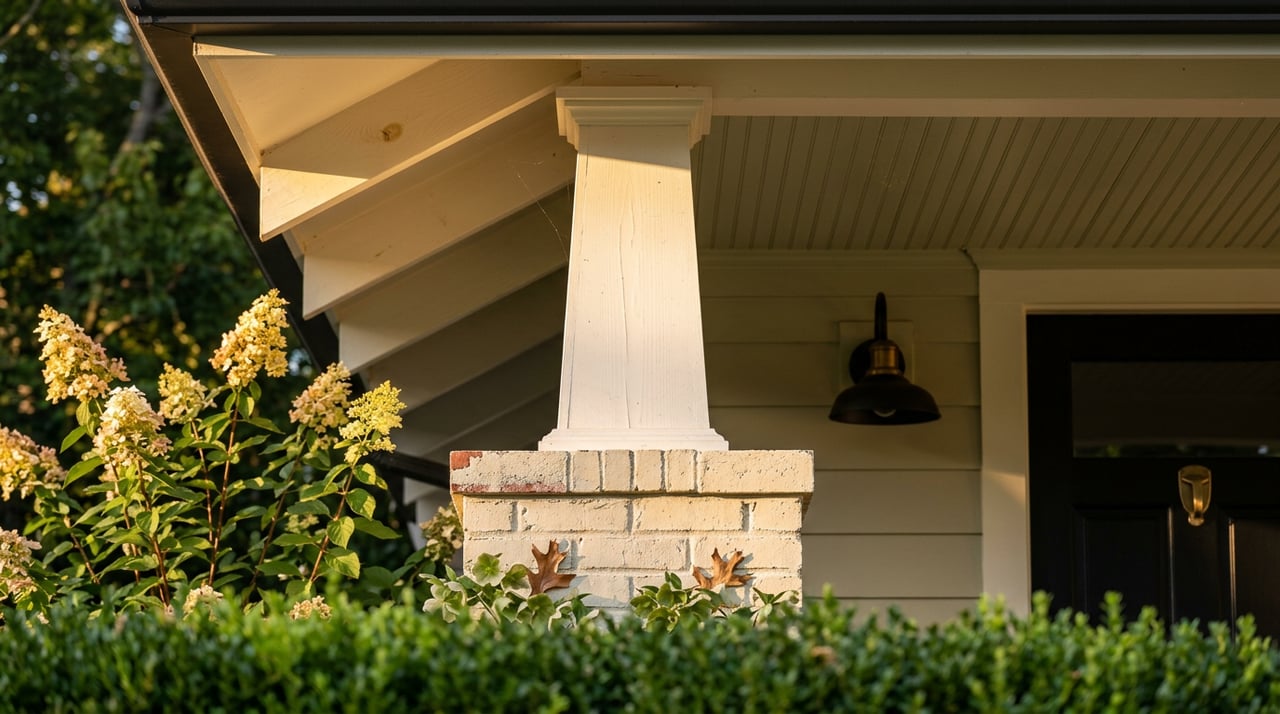
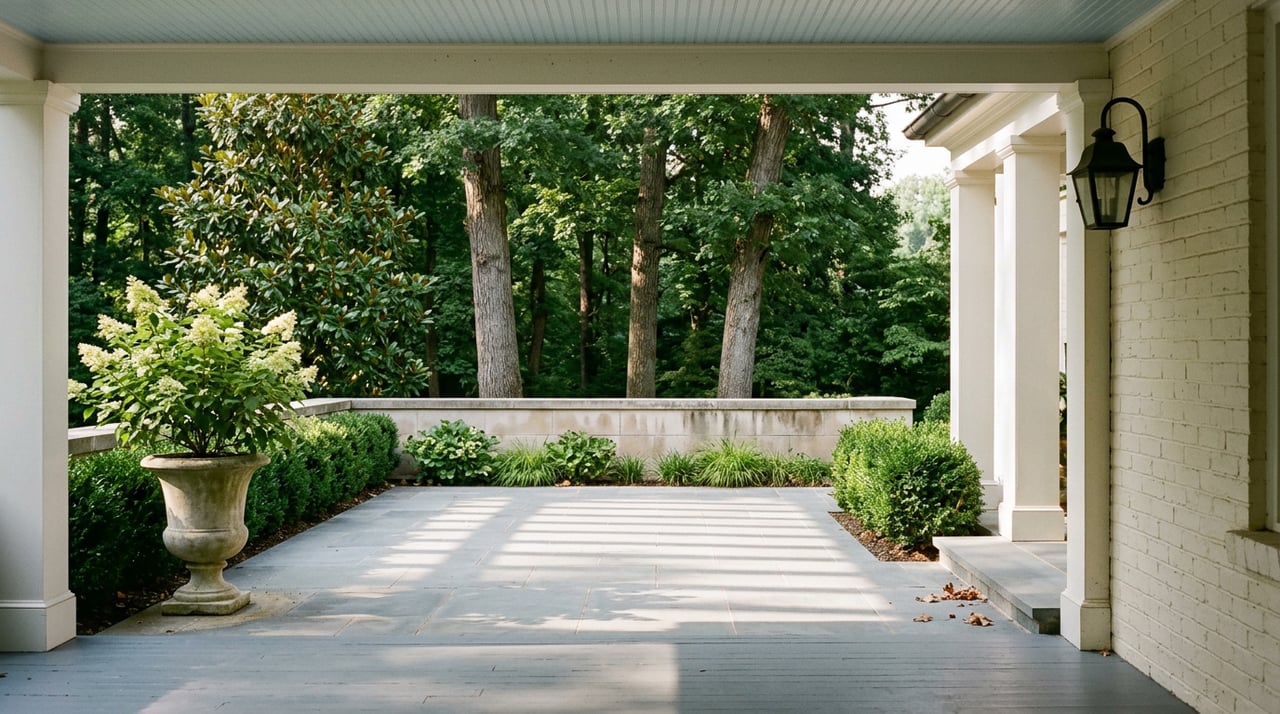
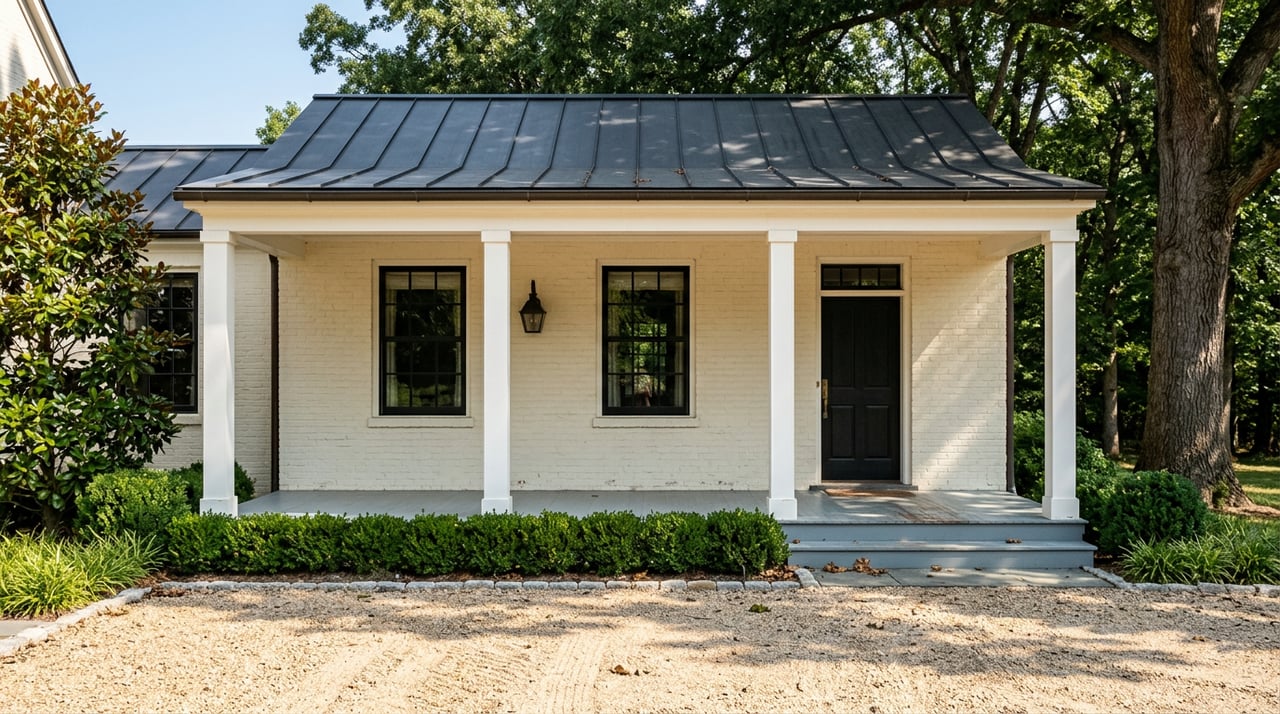
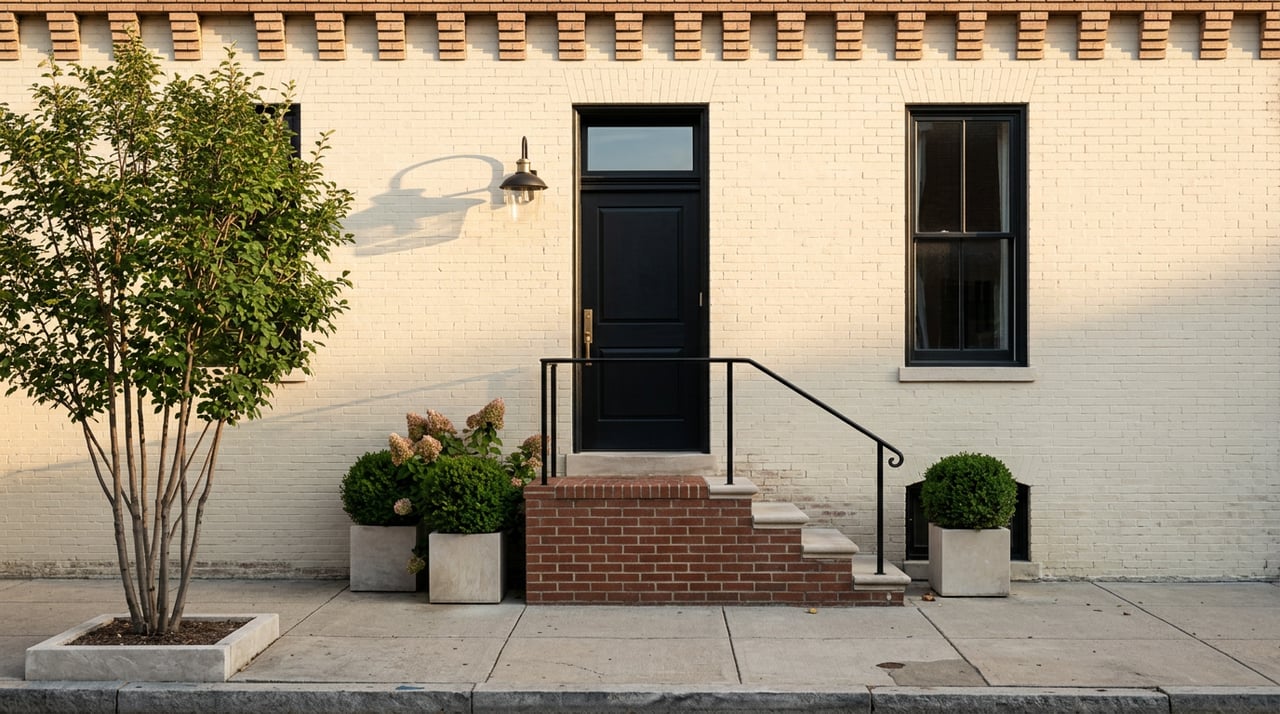
For photography, think about what makes the property unmistakably Belle Meade and historically distinctive. Good coverage often includes:
These images do more than make the home look beautiful. They help buyers understand the architecture and the property’s sense of place.
A compelling story should never outrun the records or the condition of the home. Tennessee’s Residential Property Disclosure Act requires most residential sellers to complete a disclosure statement covering known defects, environmental hazards, flood or drainage issues, encroachments, and unpermitted work. For a historic property, that makes clear documentation even more important.
If work was completed without permits, if repairs are incomplete, or if there are known issues tied to older materials or systems, those items should be addressed thoughtfully and truthfully. In a high-value market, clarity builds trust. It also helps transactions move forward with fewer surprises.
Preparing a historic Belle Meade home for market is part preservation, part project management, and part storytelling. You want every decision, from repairs to photography to written marketing, to support the home’s architectural integrity and your sale goals. Done well, that approach can protect value, reduce friction, and attract buyers who truly understand what makes the property special.
If you are planning to sell a historic or architecturally significant home in Belle Meade, working with an agent who understands both presentation and nuance can make a meaningful difference. For tailored guidance on positioning, preparation, and marketing, connect with Beth Molteni.
Stay up to date on the latest real estate trends.
Etiam non quam lacus suspendisse faucibus interdum. Orci ac auctor augue mauris augue neque. Bibendum at varius vel pharetra. Viverra orci sagittis eu volutpat.
Beth Molteni
3825 Bedford Ave Ste 102 Nashville TN 37215